...
Litho Printing
READ MORE
...
Digital Printing
READ MORE
...
NCR Books
READ MORE
...
Paper Sizes
READ MORE
...
Business Cards
READ MORE
...
Medical Stationery
READ MORE
...
Posters
READ MORE
...
Flyers
READ MORE
...
Brochures
READ MORE
...
Labels
READ MORE
...
Rubber Stamps
READ MORE
...
Wire Binding
READ MORE
...
Staple Binding
READ MORE
...
Perfect Binding
READ MORE
...
Wide Format Printing
READ MORE
...

Staple Binding

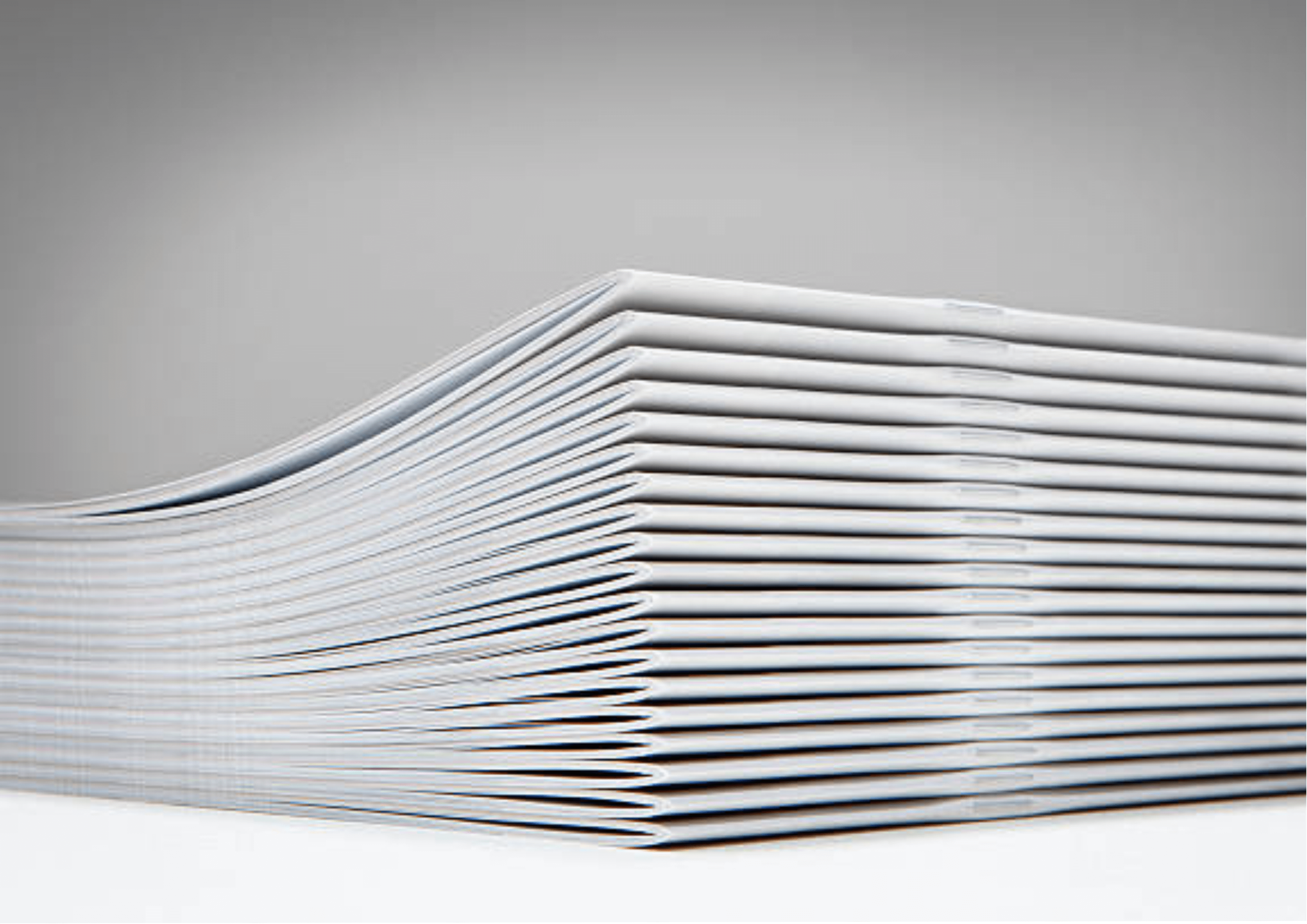
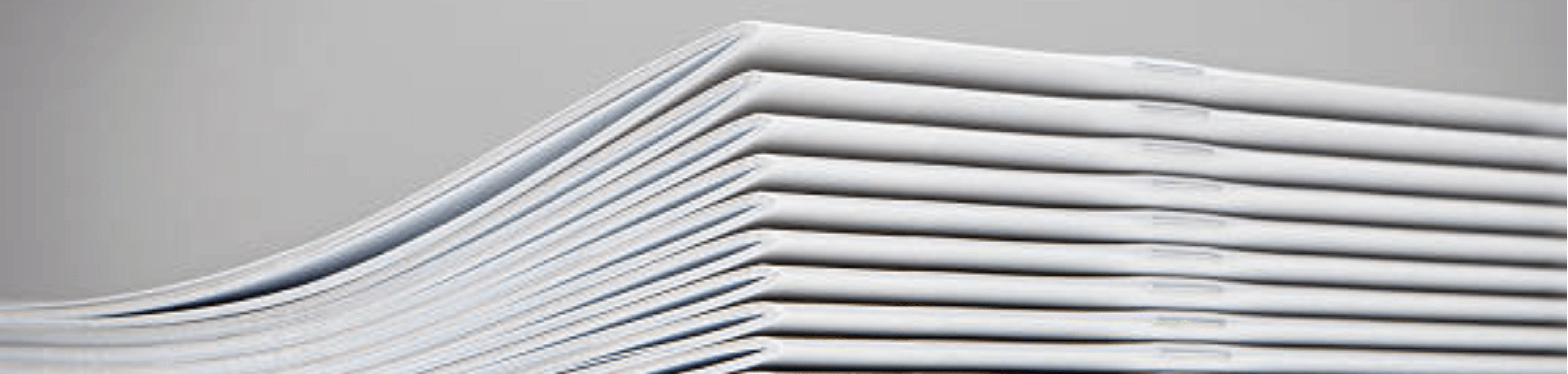
Staple binding, also known as saddle-stitch binding, is a cost-effective method for binding documents with a small to medium number of pages, commonly used for magazines, brochures, booklets, and catalogues. It involves placing sheets of paper inside each other and securing them by staples along the folded edge.

Here's a more detailed look at the uses and characteristics of staple binding:

Common Uses:

  • Brochures and Flyers: Staple binding is ideal for creating folded documents like brochures, flyers, and pamphlets.
  • Magazines and Catalogues: It's a suitable option for publications with a relatively few pages, such as magazines, journals, and product catalogues.
  • Booklets and Reports: Staple binding can be used for creating simple booklets, reports, and manuals.
  • Instruction Manuals and Guides: It's a cost-effective way to bind instruction manuals and quick guides.
  • Restaurant Menus: Stapled menus are a common and practical choice for restaurants.
Advantages of Staple Binding:
  • Cost-Effective: Staple binding is a relatively inexpensive method compared to other binding techniques.
  • Simple and Quick: It's a straight-forward and fast binding process.
  • Easy to Open and Flip: Stapled documents open flat and are easy to flip through.
  • Widely Available: Staplers and staples are readily available, making it a convenient option.
Disadvantages of Staple Binding:
  • Limited Page Capacity: Staple binding is generally not suitable for documents with a very high page count, as staples may become weak or pop out.
  • Less Formal Appearance: Staple binding might not be the best choice for formal presentations or professional documents where a more polished look is desired.
  • Potential for Damage: Improper use of a stapler can lead to bent staples or torn paper.
  • "Creep" Issue: In larger publications, the inner pages might slightly stick out, a phenomenon known as "creep".
Alternatives to Staple Binding:
  • Perfect Binding: This method is suitable for thicker documents and provides a more professional look.
  • Wire-O Binding: This method is ideal for documents that need to lay flat, like notebooks or calendars.
  • Other Binding Methods: Other options include spiral binding, comb binding, and plastic binding.